
Courgettes in All Their Forms

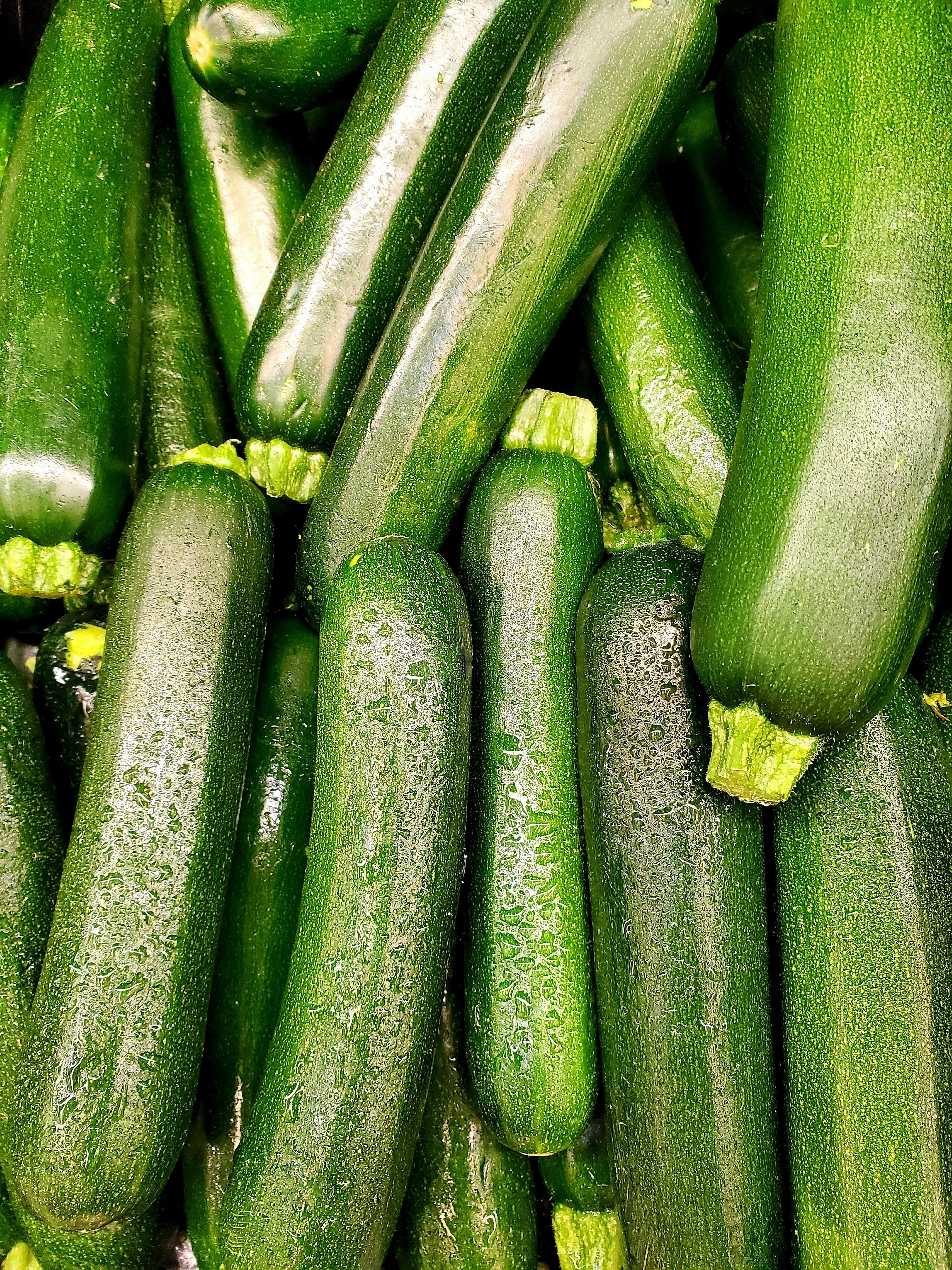
As summer begins, courgettes reach the height of their season, becoming stars of the vegetable garden and of a fresh, versatile cuisine. Generally mild in flavour, they boast an ancient history and an extraordinary range of shapes, colours and tastes that reflect local regions, traditions and recipes.
From a botanical point of view, courgettes belong to the species Cucurbita pepo, which originated in Central and North America. They were introduced to Europe following the discovery of the Americas and arrived in Italy as early as the sixteenth century. It was in Italy, through agricultural selection and rural traditions, that many of the varieties we know today were developed. The modern long, cylindrical courgette – the variety most commonly found on market stalls – appears to have originated in the Milan area around the middle of the nineteenth century and has influenced not only eating habits but also international vocabulary. Indeed, while American English uses the Italian-derived term “zucchini”, British English prefers the French word “courgette”.
Italian varieties are exceptionally numerous. Dark green courgettes are among the most widespread: they have firm flesh, a delicate flavour and are ideal for grilling, pasta dishes and stuffed recipes. Lighter varieties, on the other hand, feature pale green or striped skin and a more tender texture, making them perfect for quick cooking and light frying. There is also a white courgette, typical of the Trieste area, characterised by delicate flesh that can be enjoyed raw or used in soups, sauces and creamy preparations.
In Tuscany, the long Florentine courgette is particularly popular, appreciated for the sweetness of its flesh. Also typical of Tuscany is the mora pisana courgette, which is darker and more flavoursome. In Liguria, meanwhile, we find the alberello di Sarzana courgette and the famous trombetta di Albenga, which can grow to over a metre in length. Curved in shape and exceptionally delicate in flavour, its most unusual feature is the near absence of seeds in the elongated section, making it ideal for eating raw, adding to omelettes or using in creamy dishes.
Other notable varieties include the Romanesco courgette, often sold together with its flower, and the striped Neapolitan courgette which, as its name suggests, is covered in alternating light and dark green stripes running along its cylindrical shape. In Sicily, the courgette of Misilmeri, known locally as “friscaredda”, is prized for its tender texture and delicate flavour.
Alongside the elongated varieties, there are also round courgettes, particularly common in Tuscany and central Italy, where they are traditionally stuffed and baked in the oven.
To conclude this journey through the many varieties of courgette, the most unusual are undoubtedly the yellow courgette, typical of eastern Italy and valued for its digestibility and flavour, which is actually closer to that of pumpkin, and the chayote, or spiny courgette, native to South America and distinguished by its thorn-covered skin.
Courgettes have long amazed people with their incredible diversity and, over time, have become stars not only of savoury Italian summer cooking but of sweet recipes as well. Their story, however, extends beyond the dining table: thanks to their high water content and the refreshing sensation they provide when applied to the skin, courgettes are also used in homemade cosmetics, such as DIY face masks and natural soothing treatments.
Colourful, light and rich in history, courgettes tell stories of regional traditions, botanical curiosities and ancient farming customs, and they continue to be one of the most iconic vegetables of the Italian summer.
From a botanical point of view, courgettes belong to the species Cucurbita pepo, which originated in Central and North America. They were introduced to Europe following the discovery of the Americas and arrived in Italy as early as the sixteenth century. It was in Italy, through agricultural selection and rural traditions, that many of the varieties we know today were developed. The modern long, cylindrical courgette – the variety most commonly found on market stalls – appears to have originated in the Milan area around the middle of the nineteenth century and has influenced not only eating habits but also international vocabulary. Indeed, while American English uses the Italian-derived term “zucchini”, British English prefers the French word “courgette”.
Italian varieties are exceptionally numerous. Dark green courgettes are among the most widespread: they have firm flesh, a delicate flavour and are ideal for grilling, pasta dishes and stuffed recipes. Lighter varieties, on the other hand, feature pale green or striped skin and a more tender texture, making them perfect for quick cooking and light frying. There is also a white courgette, typical of the Trieste area, characterised by delicate flesh that can be enjoyed raw or used in soups, sauces and creamy preparations.
In Tuscany, the long Florentine courgette is particularly popular, appreciated for the sweetness of its flesh. Also typical of Tuscany is the mora pisana courgette, which is darker and more flavoursome. In Liguria, meanwhile, we find the alberello di Sarzana courgette and the famous trombetta di Albenga, which can grow to over a metre in length. Curved in shape and exceptionally delicate in flavour, its most unusual feature is the near absence of seeds in the elongated section, making it ideal for eating raw, adding to omelettes or using in creamy dishes.
Other notable varieties include the Romanesco courgette, often sold together with its flower, and the striped Neapolitan courgette which, as its name suggests, is covered in alternating light and dark green stripes running along its cylindrical shape. In Sicily, the courgette of Misilmeri, known locally as “friscaredda”, is prized for its tender texture and delicate flavour.
Alongside the elongated varieties, there are also round courgettes, particularly common in Tuscany and central Italy, where they are traditionally stuffed and baked in the oven.
To conclude this journey through the many varieties of courgette, the most unusual are undoubtedly the yellow courgette, typical of eastern Italy and valued for its digestibility and flavour, which is actually closer to that of pumpkin, and the chayote, or spiny courgette, native to South America and distinguished by its thorn-covered skin.
Courgettes have long amazed people with their incredible diversity and, over time, have become stars not only of savoury Italian summer cooking but of sweet recipes as well. Their story, however, extends beyond the dining table: thanks to their high water content and the refreshing sensation they provide when applied to the skin, courgettes are also used in homemade cosmetics, such as DIY face masks and natural soothing treatments.
Colourful, light and rich in history, courgettes tell stories of regional traditions, botanical curiosities and ancient farming customs, and they continue to be one of the most iconic vegetables of the Italian summer.