Plums in All Their Shapes, Colours and Flavours

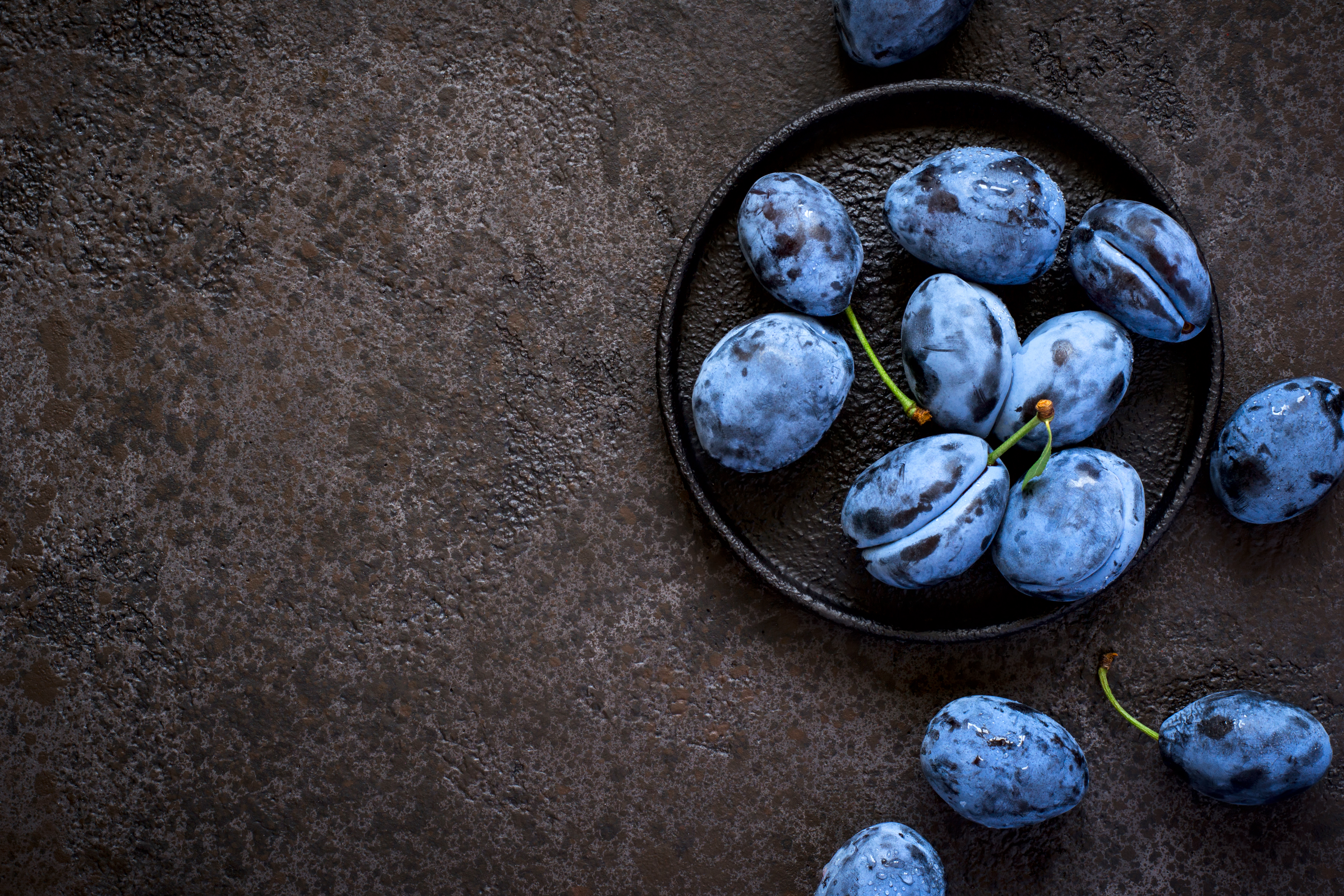
Sweet, juicy and one of August's undisputed stars, plums are among the most popular summer fruits. Exceptionally versatile in the kitchen and packed with beneficial nutrients, they boast an ancient history and an impressive range of varieties that reflect the close relationship between local landscapes, traditions and biodiversity.
The plum tree originated thousands of years ago in the region stretching between Western Asia and the Caucasus. From there, the fruit spread along ancient trade routes to the Mediterranean basin, where the Greeks and Romans recognised its qualities and encouraged its cultivation throughout Europe. Today, the plum tree remains one of the world's most widely grown fruit trees, and Italy provides ideal conditions for producing fruit of outstanding quality.
There are countless plum varieties worldwide, but they can generally be divided into two main groups: the European plum (Prunus domestica), which typically produces more oval-shaped fruit that is particularly well suited to drying, and the Japanese plum (Prunus salicina), whose fruit is generally larger, rounder and especially juicy.
Italy is also home to a wealth of prized local varieties. Among the best known are the Ramassin from Piedmont, small and exceptionally sweet; the Susina di Dro from Trentino, valued for its firm, flavoursome flesh; the Goccia d'Oro, named after its distinctive golden-yellow colour; the Agostana, harvested during the month of August; the greenish-yellow Verdacchia; and the Sangue di Drago, recognised by its juicy yellow flesh and reddish skin. Other well-known cultivars include Stanley, particularly suitable for drying, and Reine Claude (Greengage), prized for its delicate greenish-yellow fruit. These are just a few examples, as every growing region has selected cultivars over time that express unique characteristics.
As well as being delicious, plums offer impressive nutritional benefits. They are a good source of fibre, vitamins A, C and several B vitamins, as well as potassium and antioxidant compounds. Fresh plums are light and refreshing, while dried plums concentrate natural sugars and fibre, making them a convenient source of energy and a valuable aid to digestive health.
But are all plums really the same? In everyday language, the terms are often used interchangeably, although there is a subtle botanical distinction. Generally speaking, Japanese plums are larger, rounder and particularly juicy, whereas European plums tend to be more oval, firmer and especially suitable for drying. It's a little-known difference that makes this remarkable fruit even more interesting.
Whether enjoyed freshly picked, turned into jams and preserves, or used in both sweet and savoury recipes, plums continue to win people over thanks to their remarkable versatility. In our next article, we'll explore how to make the most of them in the kitchen, from starters to desserts, with plenty of inspiring ideas that are also perfect for an Italian Ferragosto feast.