
Protein alternatives to meat and fish

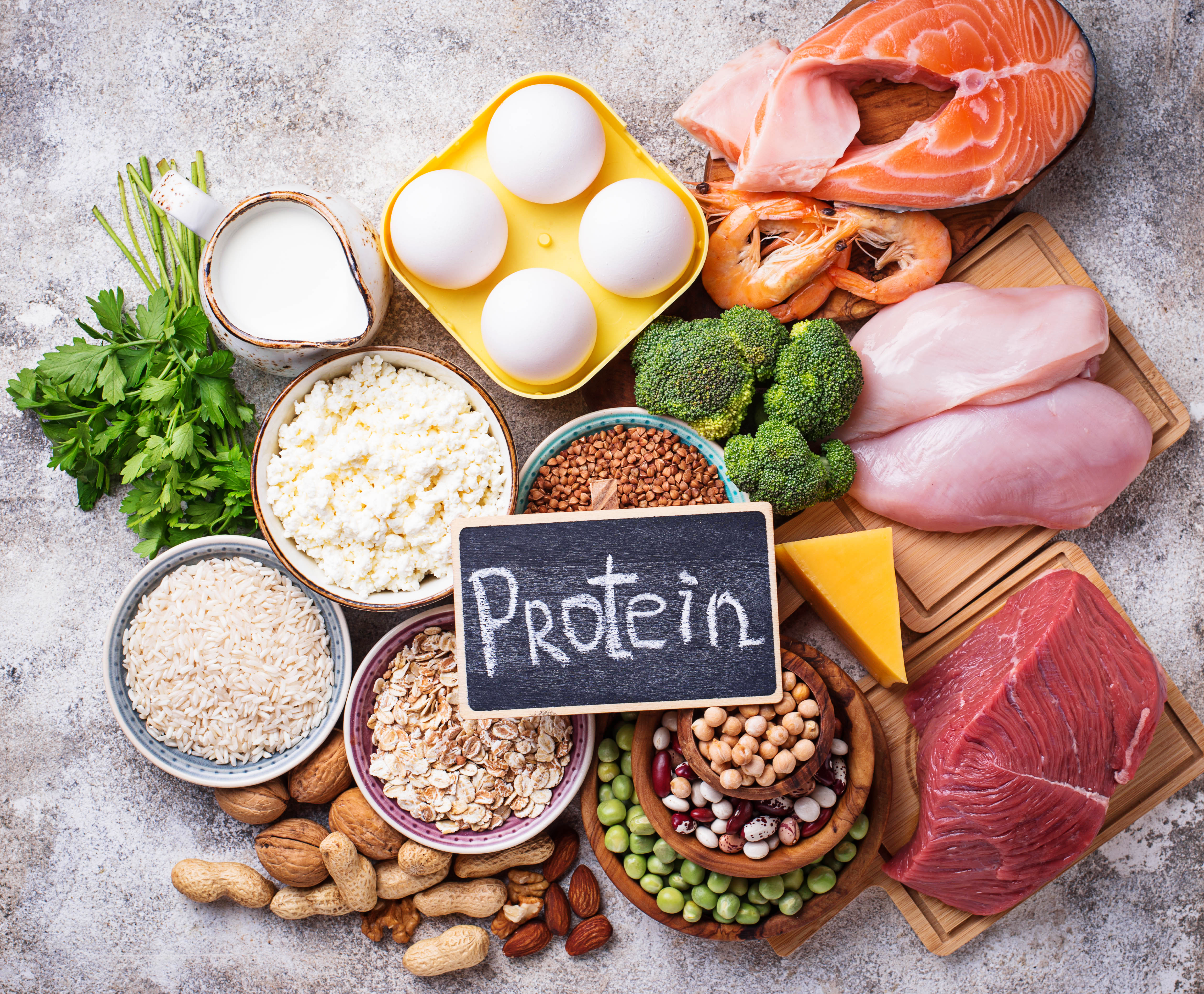
Red meat, white meat, fish and eggs are undoubtedly among the main sources of high-quality protein in the human diet. However, they represent only some of the options available for following a high-protein diet. As we have seen, in recent years, protein-rich foods offering alternatives to meat and fish have become increasingly prominent in new eating habits, appealing to a growing audience looking for foods that can contribute to everyday wellbeing without giving up the pleasure of eating.
From pasta and pulses to Greek yoghurt-based smoothies and baked goods, protein now has a place at every stage of the day and in a wide variety of foods. Below are some examples that illustrate just how broad the range of options has become.
In the bread and bakery sector, it is possible to naturally increase the protein content of doughs through a targeted choice of ingredients. For example, pulse flours, such as chickpea, lentil and pea flour, are among the most commonly used to enrich breads and focaccias, while seed flours, such as hemp and linseed, also provide fibre and healthy fats, namely unsaturated fatty acids, which can help protect the heart, lower LDL cholesterol and reduce inflammation.
In sweet products, in addition to almond flour, ingredients such as ricotta, Greek yoghurt, egg whites or protein powders can be used to replace part of the flour or eggs, resulting in richer preparations that remain soft and moist. Peanut butter and almond butter can also be interesting alternatives to traditional butter, while adding an extra protein component.
For an aperitif, for example, lupin beans can be served as a protein-rich option – although the only drawback is that ‘you can’t stop at one’. In main courses, meanwhile, there is growing interest in pasta made with lentil, chickpea or pea flour, which can be served with either creative or traditional accompaniments, always with the option of adding shavings of Grana Padano or Parmigiano Reggiano to further increase protein intake.
Protein-rich frittatas are also becoming increasingly popular as main dishes or side dishes. They can be made with eggs, using a higher proportion of egg whites and enriched with cheese, or prepared with chickpea flour for a vegan version. Common pulses, such as chickpeas, beans and peas, can be used as a base for salads and complete meals such as Hawaiian poke, which in its original form preferably uses raw fish as its protein source.
Returning to the vegan world, ingredients such as tofu, seitan and tempeh offer an increasingly wide range of plant-based, protein-rich alternatives. When it comes to snacks, Greek yoghurt, either plain or flavoured, is an ideal base for thick and nutritious smoothies.
A seeded focaccia, made with an Ar.pa yeast for savoury preparations and enriched with linseed and sesame seeds, is another tasty option for buffets and aperitifs.
Finally, for breakfast or an afternoon snack, a delicious protein-rich bread can be made using a blend of wheat flour and chickpea flour, with the addition of pumpkin and sunflower seeds. For a sweet alternative, you could opt for muffins made with Greek yoghurt and almond flour, or a soft ricotta-enriched loaf cake.
When preparing protein-rich baked goods, however, there is one important point to bear in mind: protein ingredients can increase water absorption and make the structure less elastic than that of traditional doughs. It is therefore advisable to replace only part of the conventional flour with protein-rich flours, pay close attention to hydration and choose ingredients that help preserve softness and an enjoyable eating experience.
Are you ready to explore the world of protein-rich cooking?