
The table goes detox thanks to fennel
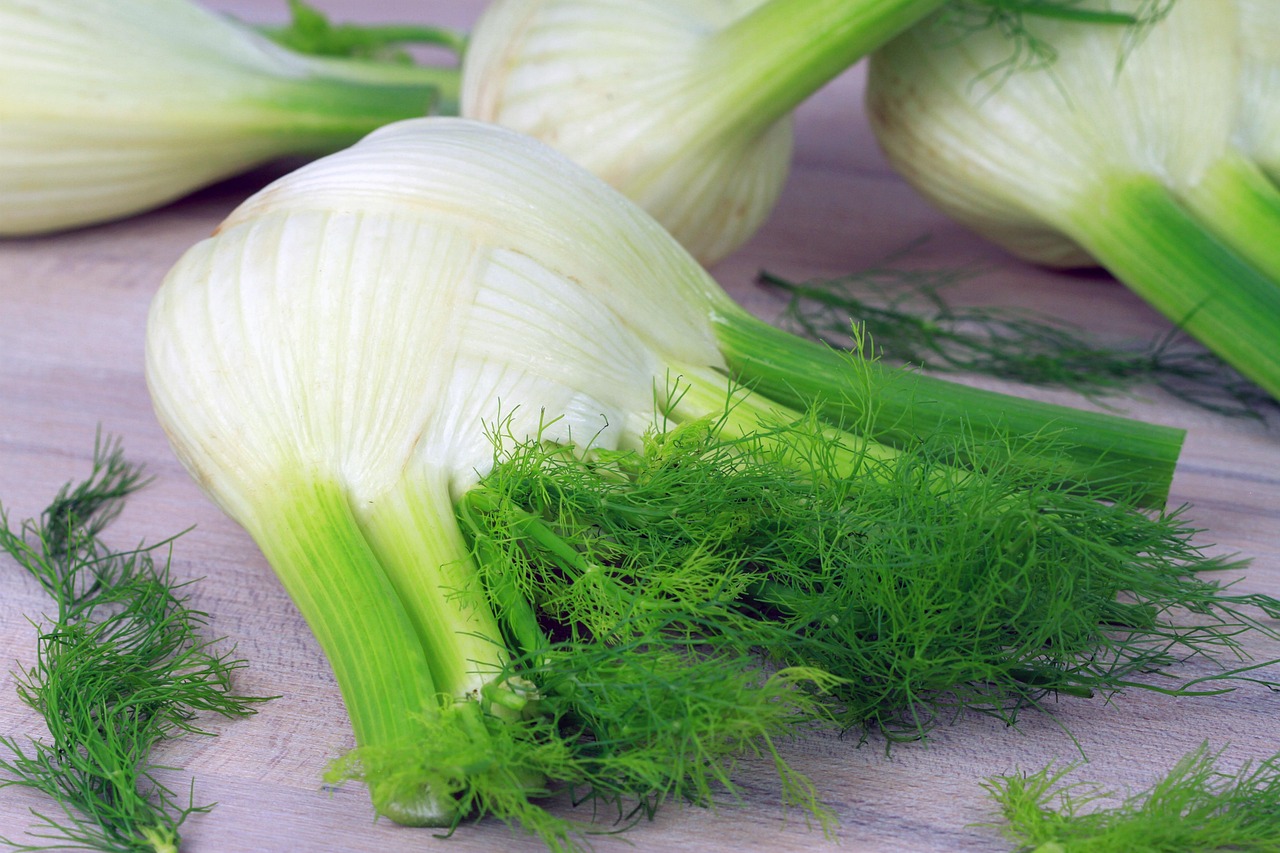
Often, the keyword in January is detox, an invitation to restore balance and lightness after the rich and indulgent meals of the Christmas holidays. Among the vegetables symbolizing this “return to essentials” is fennel, simple in appearance yet surprisingly rich from a nutritional and aromatic point of view.
Known since ancient times, fennel was already appreciated by the Greeks and Romans both as a food with a fresh scent and a distinctive anise-like aroma, and for its digestive properties. Over time, it became a staple of Mediterranean cuisine, especially during the colder months, when nature offers many vegetables with cleansing properties.
Fennel is made up largely of water, a characteristic that makes it light but by no means lacking in nutrients. In fact, it provides fiber, which supports intestinal well-being and a feeling of fullness, as well as a good amount of potassium, valuable for maintaining fluid balance in the body. It also contains vitamin C, folates and aromatic compounds such as anethole, responsible for its unmistakable aroma and its traditional association with a pleasant feeling of a “calmer stomach,” especially at the end of a meal or when consumed as a herbal infusion.
A curious feature of fennel is its ability to alter the perception of the flavors of foods it is paired with or those tasted immediately afterward. This very characteristic gave rise to the Italian verb infinocchiare, meaning to deceive or trick. In the past, in fact, some innkeepers used to serve fennel wedges to customers to mask the acidic taste of low-quality or poorly preserved wines.
As for fennel varieties, it is important to note that the fennel we cook and bring to the table is sweet fennel, not to be confused with wild fennel, which is thinner and used as an aromatic herb. Among sweet fennel varieties, there are further distinctions: some are rounder and more compact, ideal for eating raw, while others are more elongated and particularly suitable for cooking. In Italy, the world’s leading producer, cultivation is widespread especially in regions with a mild climate, from central and southern areas to the islands, and the best season runs from autumn to winter, when the cold enhances its sweetness and crunchiness.
In short, whether the goal is to get back in shape after the holidays or simply to eat more healthily, fennel is an essential food for starting the new year with greater lightness. Versatile in the kitchen, it pairs well as a side dish for meat or fish, as well as with vegetarian dishes, and it is of course perfectly suited to Veganuary - the increasingly popular practice of following a vegan diet during the month of January to promote food awareness, sustainability and well-being.