
The profile of the almond
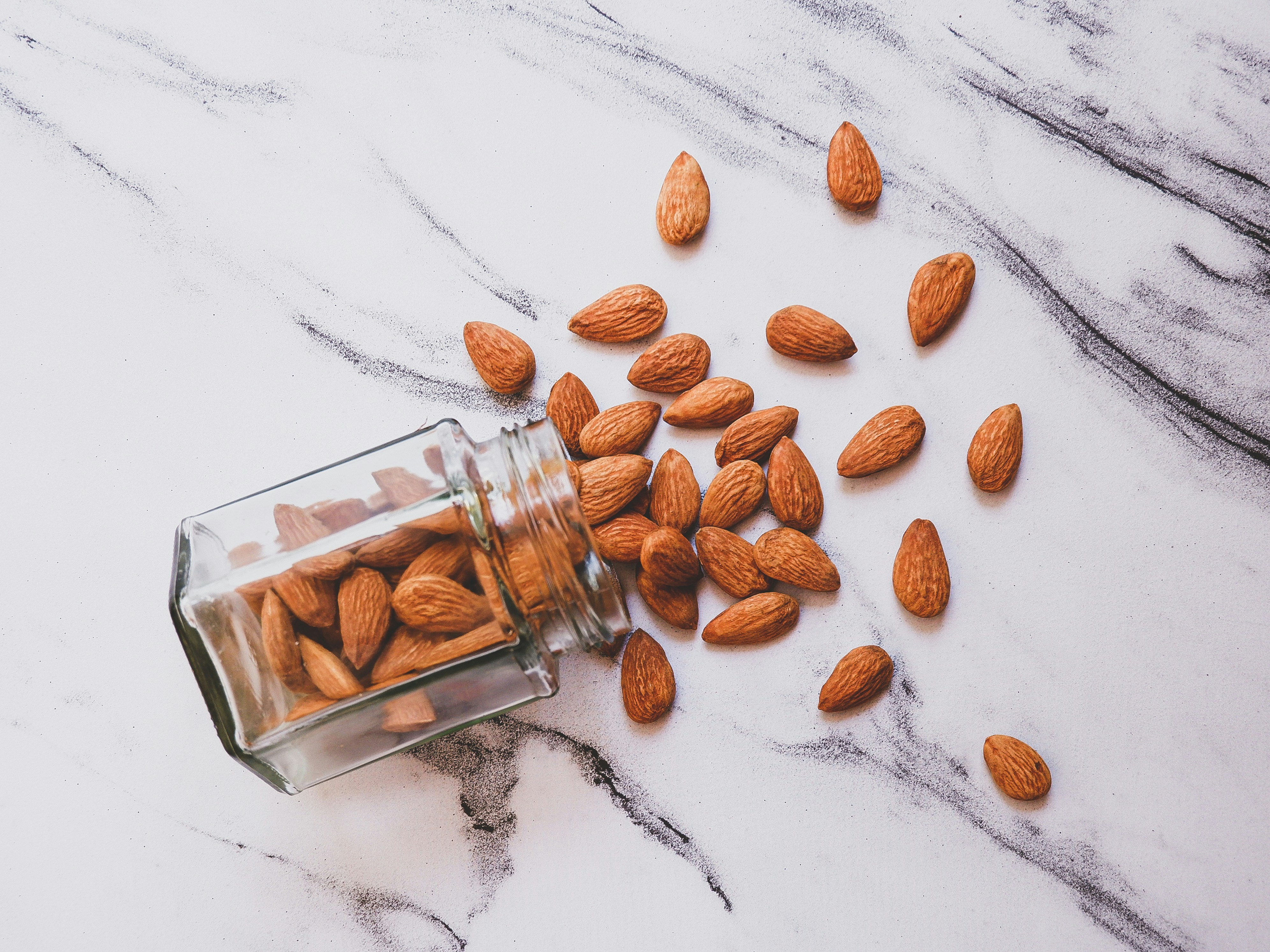
With their delicate white flowers, almond trees are among the first to bloom, announcing the arrival of spring. A brief yet evocative spectacle that each year symbolically marks the end of winter. But did you know that behind this flowering lies one of the oldest and most versatile ingredients of our tradition?
Almonds have accompanied human history since ancient times. Originally from the Middle East and Central Asia, they gradually spread throughout the Mediterranean, becoming not only a food but also a cultural symbol. In Ancient Egypt, for instance, they were considered precious, while in classical Rome they represented fertility and prosperity. It is no coincidence that it was tradition to use them coated in honey and flour to celebrate weddings: a custom that still lives on today in sugared almonds for ceremonies.
From a botanical point of view, not everyone knows that the almond is not actually a true fruit, but a seed enclosed within the pit of a drupe (a fleshy outer layer) belonging to the same family as peaches and apricots. Curious, isn’t it? There are also different varieties of almonds, but the main distinction is between sweet and bitter ones. Sweet almonds are widely used in cooking, as well as in beauty remedies, and are an excellent ally for health thanks to their high levels of iron and calcium for bones, as well as polyunsaturated fats that help lower cholesterol and polyphenols that combat ageing. The other variety is the bitter almond, which must be used with extreme caution due to its toxicity, unless one intends to poison someone, as it contains amygdalin, a compound that can release cyanide. The intensity of its aroma is useful, in small doses, mainly as a flavouring in almond-based recipes, especially in liqueurs (the most famous being from Saronno) and in pastry preparations.
Thanks to their properties, almonds have also found uses beyond the kitchen. In cosmetics, for example, sweet almond oil has long been appreciated for its emollient and nourishing properties, making it ideal for skin and hair care. Even the shells, often considered waste, can become a resource: they can be used as a sustainable biofuel for stoves and boilers or, according to a recent study by the Sant’Anna School of Advanced Studies in Pisa, to produce biodegradable, bio-based circuits and sensors, taking a further step toward sustainable electronics.
A simple ingredient, yet rich in history, meaning, and surprising uses, spanning different eras and cultures. Naturally, almonds are also the stars of soft cakes and desserts, as well as savoury dishes… discover our recipes to bring spring to your table!
Almonds have accompanied human history since ancient times. Originally from the Middle East and Central Asia, they gradually spread throughout the Mediterranean, becoming not only a food but also a cultural symbol. In Ancient Egypt, for instance, they were considered precious, while in classical Rome they represented fertility and prosperity. It is no coincidence that it was tradition to use them coated in honey and flour to celebrate weddings: a custom that still lives on today in sugared almonds for ceremonies.
From a botanical point of view, not everyone knows that the almond is not actually a true fruit, but a seed enclosed within the pit of a drupe (a fleshy outer layer) belonging to the same family as peaches and apricots. Curious, isn’t it? There are also different varieties of almonds, but the main distinction is between sweet and bitter ones. Sweet almonds are widely used in cooking, as well as in beauty remedies, and are an excellent ally for health thanks to their high levels of iron and calcium for bones, as well as polyunsaturated fats that help lower cholesterol and polyphenols that combat ageing. The other variety is the bitter almond, which must be used with extreme caution due to its toxicity, unless one intends to poison someone, as it contains amygdalin, a compound that can release cyanide. The intensity of its aroma is useful, in small doses, mainly as a flavouring in almond-based recipes, especially in liqueurs (the most famous being from Saronno) and in pastry preparations.
Thanks to their properties, almonds have also found uses beyond the kitchen. In cosmetics, for example, sweet almond oil has long been appreciated for its emollient and nourishing properties, making it ideal for skin and hair care. Even the shells, often considered waste, can become a resource: they can be used as a sustainable biofuel for stoves and boilers or, according to a recent study by the Sant’Anna School of Advanced Studies in Pisa, to produce biodegradable, bio-based circuits and sensors, taking a further step toward sustainable electronics.
A simple ingredient, yet rich in history, meaning, and surprising uses, spanning different eras and cultures. Naturally, almonds are also the stars of soft cakes and desserts, as well as savoury dishes… discover our recipes to bring spring to your table!